Postpartum Healing: Mindful Ways to Support Recovery After Birth
Written by: Janis Basical, OTS
In the first part of our series, we talked about the importance of rest, pain management, and safe body mechanics during the early days of postpartum recovery. Now that we’ve covered those basics, we can start looking at a few ways to build on them.
This post will focus on three simple and important ways to take care of yourself as your body and life begin to change after birth. We’ll look at how small and gentle movements can help you feel stronger, how self-care can make a big difference, and why it’s okay to lean on others during this season. The goal is to help you reconnect with your body, do what feels manageable, and be kind to yourself as you adjust.
Gentle Movement After Birth
After birth, one of the biggest questions moms have is, “When is it okay to start moving again?” The answer looks different for everyone. Gentle movement can be a helpful part of recovery when you take it slow and listen to your body. It can also help you feel more grounded, build confidence, and support your overall well-being.
In the postpartum period, gentle movement can mean simple and low impact exercises that feel safe and manageable. The right kind of movement can help with stiffness, circulation, energy, and mood over time. It gives you the chance to reconnect with your body without feeling pressure to do too much too soon.
This is not about “bouncing back”. It’s about making small, meaningful, and consistent steps toward feeling stronger and more comfortable in your body again. With patience, self-compassion, and the right support, movement can become part of your postpartum routine.
Here are a few tips to help you start gentle movement after birth:
Check with your provider first
Start slowly
Listen to your body
Wear supportive clothing
Stay hydrated
Warm up and cool down
Prioritize rest and recovery
How to Start Moving
Most people don’t need motivation. They’re just looking for a place to start. You don’t need a gym or fancy equipment to start moving. Engaging in simple activities at home can be just as helpful.
Some gentle ways to get started include walking, stretching, postnatal yoga, pelvic floor exercises, and breathing exercises. The goal is about progress, NOT PERFECTION. Your body has been through a lot and needs time to heal. If you start too soon or do too much, it can lead to strain or fatigue. So, it’s important to move in a way that feels safe and supportive for you.
Here are a few beginner-friendly exercises that you can try once your body feels ready and with the approval of your provider:
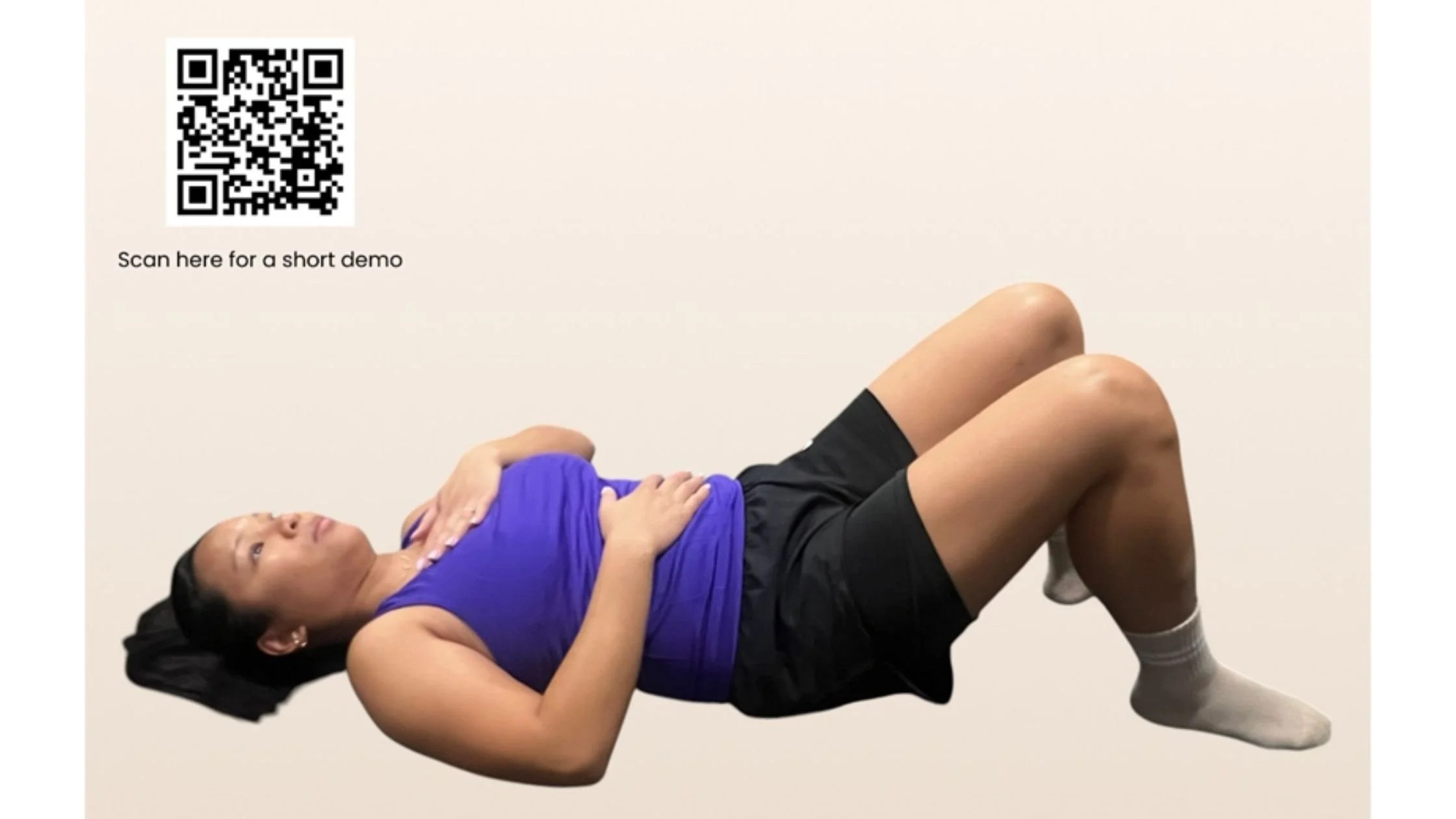
Diaphragmatic breathing: A simple breathing exercise that can help you relax and reconnect with your core.
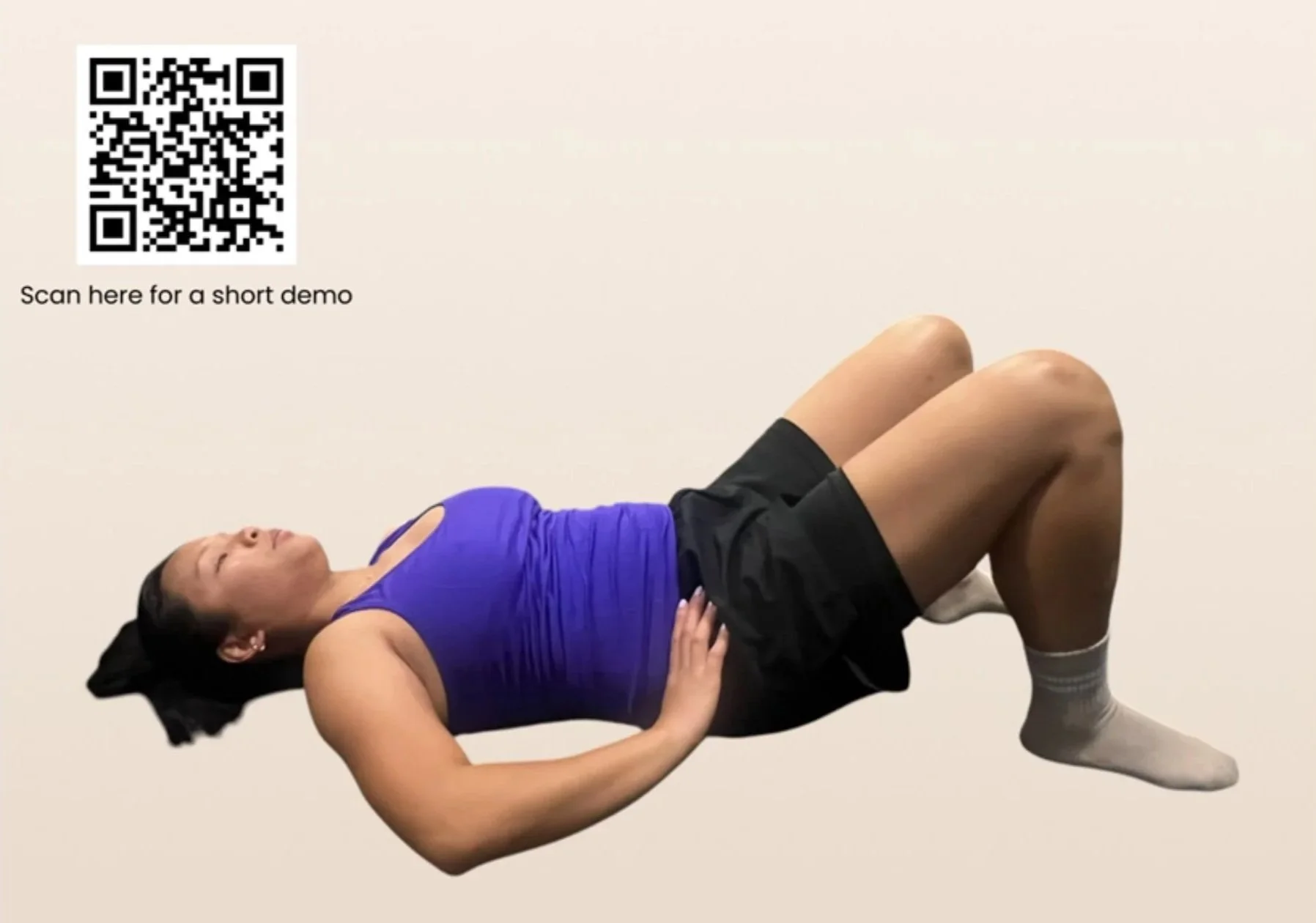
Pelvic tilt: A gentle movement that helps activate your core and support your lower back
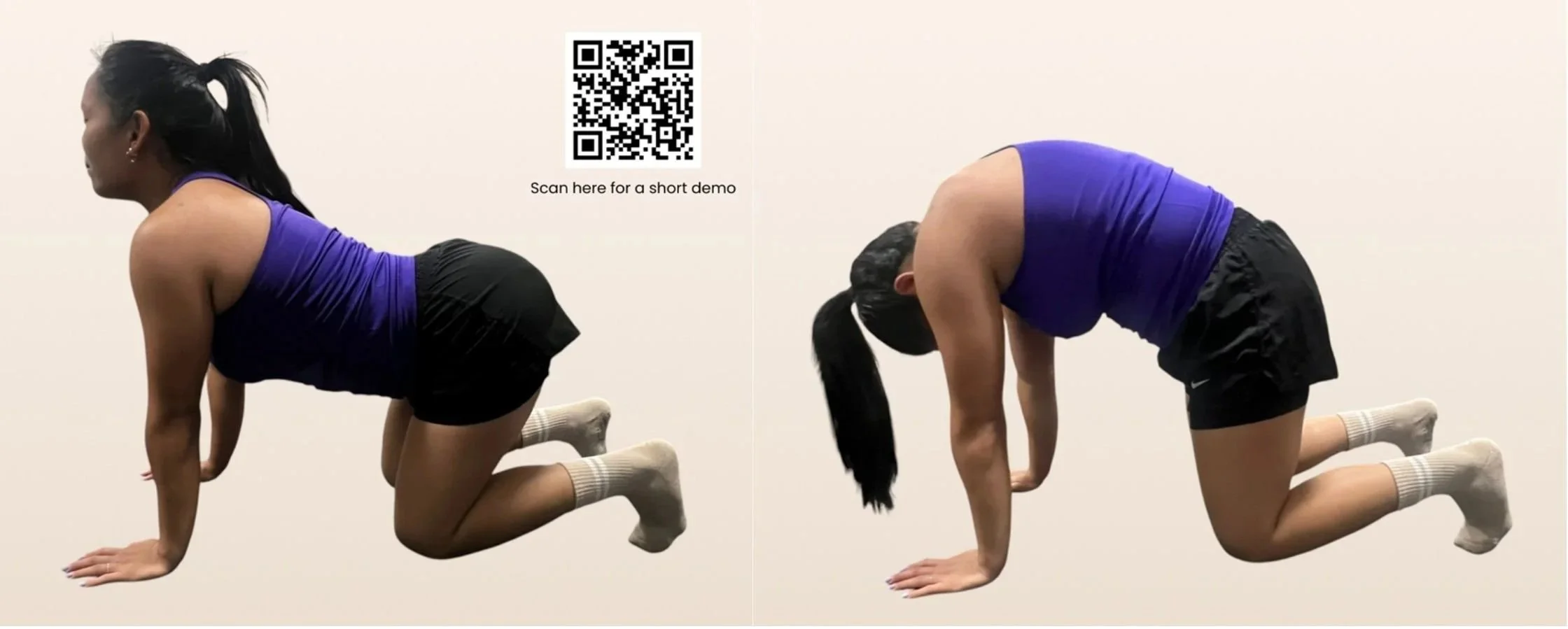
Cat-cow: A slow stretch that helps you move your spine and release tension in your back.
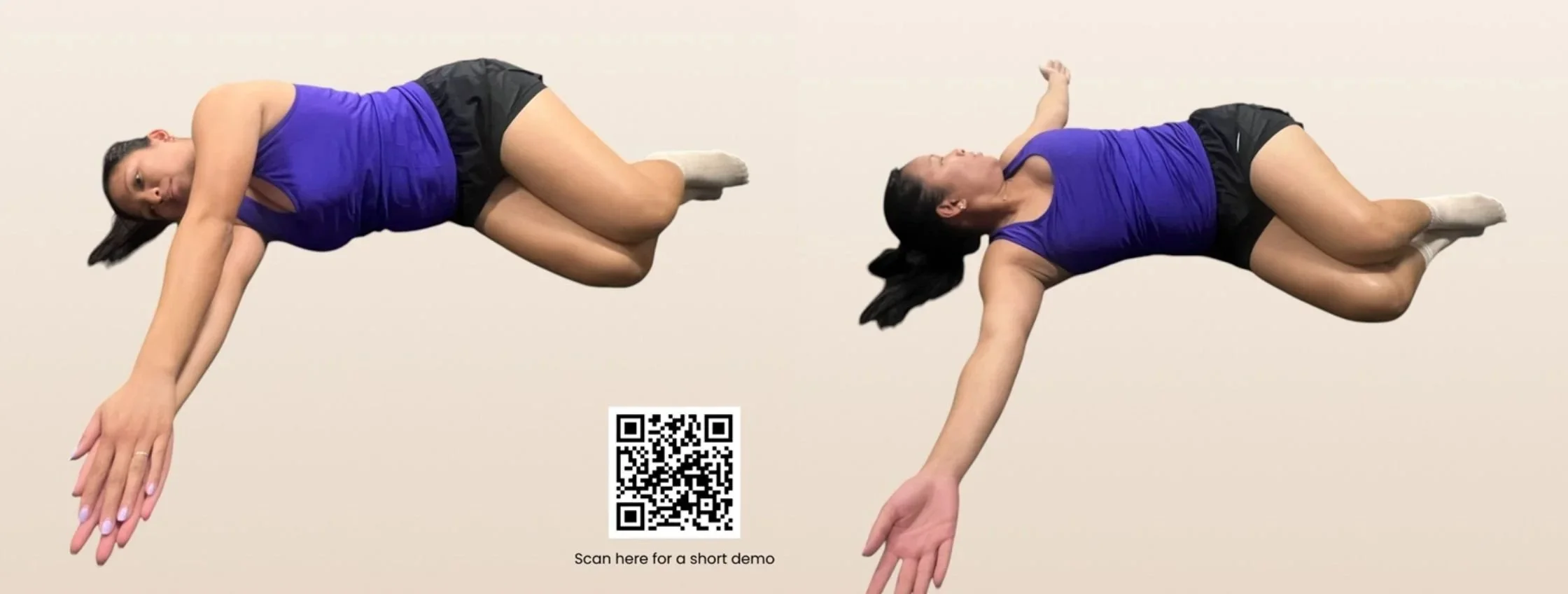
Open book: A gentle upper body stretch that can help open your chest and shoulders.
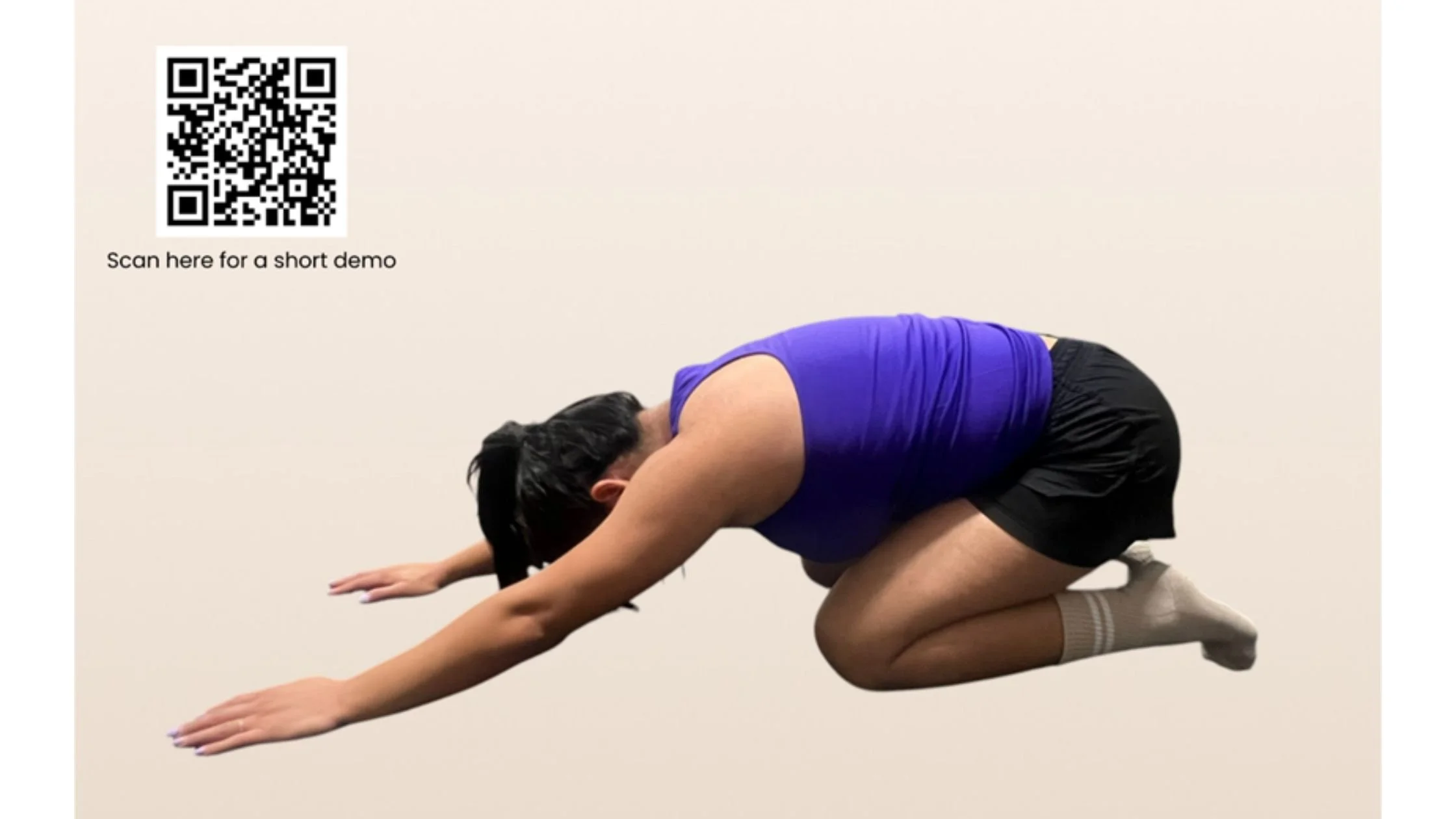
Rockback: A simple movement that helps you ease into gentle core and hip mobility.
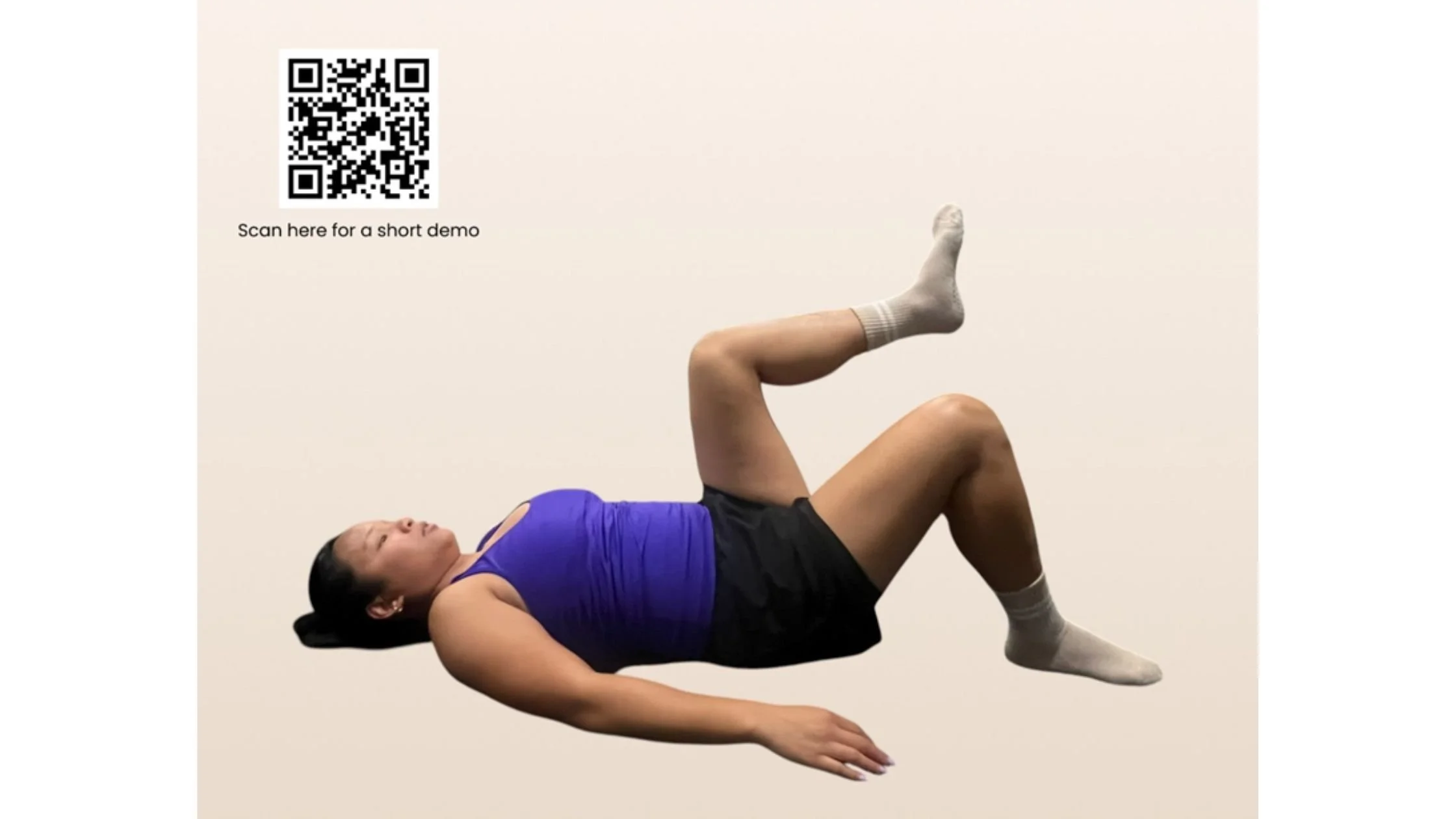
Marches: A low-impact exercise that helps you reconnect with your core and legs.
Walking: A short walk, with or without your baby, can support healing and boost your mood. Start small and build up as your body feels ready.
Modified yoga: Gentle postpartum yoga can help you stretch, relax, and reconnect with your body. Choose easy poses and avoid anything that feels uncomfortable.
When you feel ready, these exercises can help you rebuild strength and restore core control over time. Start slow and pay attention to how your body feels. Stop the exercises if something doesn’t feel right. If you have any pain, increased bleeding, or symptoms that worry you, reach out to your healthcare provider.
Take Care of Yourself Every Day
During the first few weeks and months after birth, finding time to care for yourself can feel difficult. But self-care is important during this season. I’m not talking about getting your nails done, taking a bubble bath, or going to a spa. I’m talking about the small, everyday habits that can support your recovery and help you feel more like yourself again.
These small habits are often called micro-habits. They may seem simple, but they can make a big difference over time. When you care for yourself, you are better at caring for your baby. It’s important to pay attention to basic needs like resting, eating nutritious food, drinking water, and accepting help when it’s offered. Healing looks different for everyone. Try to give yourself grace and avoid comparing yourself to others.
Here are a few simple ways to care for yourself during this time:
1. Prioritize rest and recovery. Your body has done something incredible and needs time to heal. Even short breaks or naps can help you feel more refreshed.
2. Eat nourishing foods. Choosing nutrient-dense meals and snacks can support recovery, replenish your energy, and keep you going through busy days.
3. Stay hydrated. Drinking enough water is important for your recovery and overall health. If you are breastfeeding, it can also help support milk production. Keep a water bottle nearby to sip on throughout the day.
4. Move gently. Step outside daily for sunlight and some fresh air. A short walk, light stretching, or gentle movement can support circulation, reduce stiffness, and improve mood.
5. Accept help and support. It’s okay to lean on others. Whether it’s help with meals, childcare, chores, or just having someone to talk to. Saying yes can make this season feel a bit lighter.
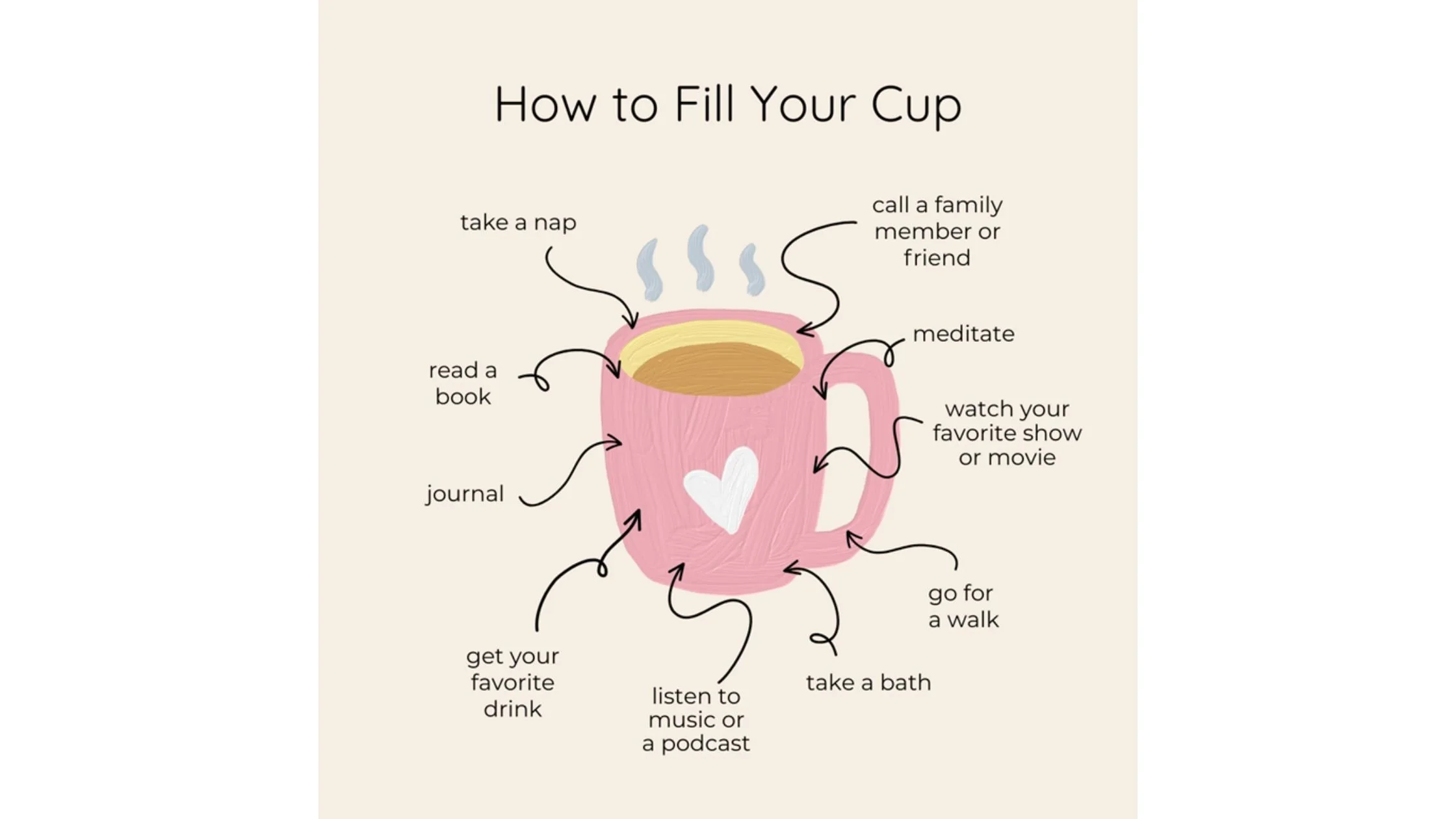
The postpartum period is a beautiful journey that can feel overwhelming at times. Taking care of yourself doesn’t have to be perfect or complicated. Even small steps can support healing and help you adjust to this season of motherhood. If possible, try to set aside a few minutes each day for a little self-care. Treat yourself! You deserve it.
Lean on Your Village
Asking for help is hard and there are many reasons why we don’t want to accept it. But during this time, having people around you who support you can make the postpartum season feel less overwhelming and more manageable.
Think of your support system as a village made up of family, friends, and health care professionals you trust. This may include your OB, midwife, nurse, doula, partner, family, friends, or even support groups. Some people may be able to help in person, while others may only be a phone call or video chat away. Either way, any type of support that you receive can make a difference.
It can also be helpful to connect with other parents who understand what you’re going through. Talking with people who have similar experiences can help you feel less alone, more understood, and more connected. Support groups can be a great way to share feelings, reduce isolation, and remind yourself that your experience matters.
Every parent’s postpartum needs are different. You may need a big support system or you may only need a few people to lean on. Regardless, it’s okay to ask for help. When parents feel supported, they often feel calmer and more regulated. This can make parenting feel a bit easier. Asking for help isn’t a sign of weakness, it’s a part of healing.
Key Takeaways
Gentle movement can support healing and help you feel more like yourself.
Self-care is part of recovery, not something extra you have to earn.
Support from others can make a big difference during this season.
Occupational therapy can help parents build health routines and adjust to daily life after birth
This season is not about doing things perfectly. It’s about listening to your body, taking things one step at a time, and caring for yourself with the same compassion you give your baby. You’re doing an incredible job.
References
Glover, A. (2025). 5 reasons why you need a postpartum support network. ACOG. https://www.acog.org/womens-health/experts-and-stories/the-latest/5-reasons-why-you-need-a-postpartum-support-network
Did you find this helpful? Please take a quick 1 minute survey to let me know.
